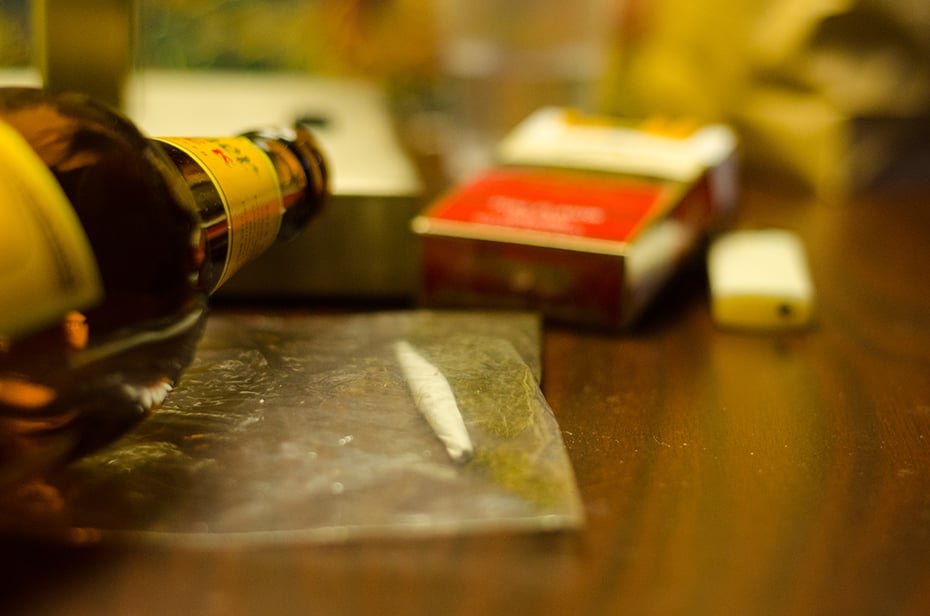
A drug is any substance that alters the central nervous system, brain chemistry or bodily functions. There is no single definition since there are different meanings of the word “drug”, with regard to medicine, government and street usage.
Dictionary.com defines a drug as “a chemical substance used in the treatment, cure, prevention, or diagnosis of disease or used to otherwise enhance physical or mental well-being.”
Medicinal drugs may be prescribed by a doctor for a limited time frame or for use on a regular basis for chronic condition. Recreational drugs or street drugs are drugs that target the central nervous system and brain chemistry. They are used specifically to alter perception, mood and behavior. Many recreational drugs lead to abuse and dependency. OTC refers to over-the-counter drugs, which do not require a prescription to buy.
What is Addiction?
The Diagnostic and Statistical Manual of Mental Disorders, Fourth Edition (DSM IV) lists three stages of addiction: preoccupation/anticipation, binge/intoxication and withdrawal/negative affect. These stages are marked by cravings, obsession with and preoccupation with the substance; using more of the substance than originally intended; needing more to experience the original effect, and experiencing tolerance, withdrawal symptoms, and decreased motivation for normal life activities. It also lists two distinct addiction related disorders: abuse and dependence. Additional criteria must be met to qualify for meeting the diagnosis of dependency. When one is suffering from a drug dependency, a drug intervention is usually needed to begin the recovery process.
Drug Classifications
The vast numbers of prescribed and recreational drugs fall into certain drug classifications.
Drug Classifications:
- Stimulants (amphetamines, caffeine, nicotine and cocaine)
- Depressants (opiates and opioids, alcohol, barbiturates, tranquilizers and benzodiazepines)
- Anti-Psychotics
- Anti-Depressants
- Cannabis
- Inhalants
Prescription medications are the most commonly abuse drug in the United States.
Other Highly Abused Drugs Include:
- Nicotine and tobacco
- Crack and Cocaine
- Methamphetamine
- OxyContin (a respiratory depressant)
- Cannabis
- Heroin
- Hallucinogens
- Ecstasy and Club Drugs
- Barbiturates
- Date Rape Drugs
- Steroids
Most Commonly Abused Drugs
According to Jon D. Johnson, PD, MBA Vol. II No. 3 June/July 1998, the most commonly abused drugs of all types are prescription drugs.
Commonly Abuse Prescription Drugs
-
- Hydrocodone Combinations: Vicodin, Lorcet, Lortab, etc.
- Oxycodone Derivatives: Percodan, Percocet, Tylox, Roxicet, etc.
- Codeine Combinations
- Alprazolam (Xanax)
- Diazepam (Valium)
- Methadone
- Lorazepam (Ativan)
- Propoxyphene, Propacet, Darvocet
Legal Drug Classifications
You may hear of drugs being referred to as classified as “Schedule 4” for example. The Controlled Substances Act of 1990 set up the Legal Classifications of drugs based on their use, abuse and how safe they are considered. The following is a partial list:
Schedule 1: High Abuse, no known medical use, Lack of Safety
Schedule 2: High Abuse, some medical use, high risk of dependency
Schedule 3: Lower abuse, medical use, and moderate dependency risk
Schedule 4: Limited abuse, high medical use, limited dependency risk
Schedule 5: Minor problems
Dependency and safety risk can rise significantly when drug interaction occurs mixing substances in different classifications. Drug overdose is also possible not only though using a large quantity but when certain drugs interact that are contraindicated. It is vitally important to have drug information that includes possible drug side effects and drug interactions.